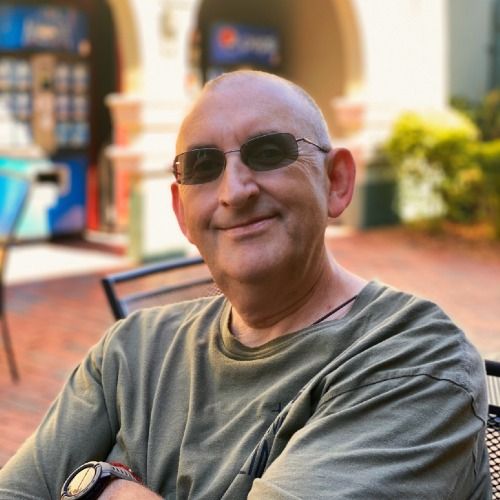
From Grief to Growth: Insights on Living Fully After Loss
The conversation presented in this podcast revolves around the profound themes of bereavement and the search for meaning amidst loss. Grief, as articulated by Jason Tifford, is portrayed as an intrinsic aspect of the human experience that demands acknowledgment and understanding. Through a dialogue that explores the emotional intricacies of grief, we delve into the significance of acceptance—not as a means of forgetting, but as a pathway to honoring the memories of our loved ones. Furthermore, Tifford emphasizes that by embracing our emotions during the grieving process, we can navigate our pain and ultimately find purpose in our sorrow. This episode serves as an exploration of the foundational pillars of grief and how they facilitate healing, fostering a deeper understanding of our shared human experience in the face of loss. The profound exploration of grief in this podcast episode with Jason Tifford provides invaluable insights into the human experience of loss and the search for meaning that often accompanies it. The dialogue begins with an acknowledgment of grief as a universal phenomenon, one that every individual must confront at some stage of life. Through Jason's personal narrative—the story of his father's battle with terminal illness—listeners are offered a glimpse into the emotional turmoil and inevitable transformations that accompany such experiences. This personal element not only humanizes the discussion but also serves as a vital starting point for understanding the intricate relationship between grief and personal growth. An essential theme that emerges from the conversation is the concept of acceptance. The hosts elucidate that acceptance does not equate to forgetting or minimizing the pain of loss; rather, it signifies a profound reconciliation with one's emotions. By fostering emotional awareness, individuals can navigate the grieving process more effectively. Jason's reflections on his journey emphasize how actively engaging with grief can lead to a more meaningful existence. In sharing stories of triumph over sorrow, the episode underscores the importance of community support and connection in facilitating healing. The collaborative aspect of sharing grief—whether through dialogue with others or through personal reflection—becomes a cornerstone for transforming pain into purpose. Ultimately, the episode serves as both an exploration and a guide for those navigating their own grief journeys. Listeners are encouraged to consider how they can honor their loved ones through celebration and remembrance, thereby fostering a legacy that lives on beyond loss. The conversation culminates in a collective understanding that while grief is inherently challenging, it also holds the potential for profound personal transformation and renewed purpose in life. This duality—of sorrow and growth—makes this episode a poignant and necessary listen for anyone grappling with loss.
Some listeners seek private, one-to-one grief work that focuses on meaning, orientation, and continuing bonds. I describe that work here.
Takeaways:
- Grief is an intrinsic aspect of human existence, which every individual encounters at some juncture in their lives.
- By cultivating awareness of our emotions during the grieving process, we can facilitate acceptance and gradually navigate through our suffering.
- Acceptance does not equate to oblivion or cessation of feeling; rather, it permits us to reconcile with our loss.
- Honoring deceased loved ones through celebration of their lives and discovering meaning within our sorrow can be a transformative experience.
Companies mentioned in this episode:
- Liverpool John Moore University
Transcript
Grief is a natural part of life and we all experience it at some point.
Speaker A:By becoming aware of our emotions in the process of grief, we can begin to accept and move through our pain.
Speaker A:Acceptance doesn't mean that we forget or stop feeling the loss, but it allows us to come to terms with it.
Speaker A:And finally, we can choose to honour our loved ones by celebrating their life and finding meaning in our grief.
Speaker A:Join me as we explore these Pillars of Grief and how they can help us navigate the journey of grief.
Speaker A:We will explore this journey together and you will hear from experiencers, experts and researchers.
Speaker A:I'm Joc Brokis and this is the Pillars of Grief.
Speaker B:Good morning, good afternoon, good evening, ladies and gentlemen.
Speaker B:This is Jock here.
Speaker B:This is the Pillars of Grief.
Speaker B:Welcome back to another episode.
Speaker B:I've got to watch.
Speaker B:I've got crap on my T shirt again.
Speaker B:Welcome back to another episode.
Speaker B:I have got a great episode today.
Speaker B:And we're always talking about how do we find meaning in our grief, how do we find meaning and loss?
Speaker B:How do we find purpose in life?
Speaker B:And that is a conundrum really, for a lot of people.
Speaker B:I get a lot of questions and so many of these questions I get in the recent series I've been doing where I've been answering questions about the afterlife, I've been answering questions about grief and I've been talking about that more in depth.
Speaker B:And so what I wanted to do today was to bring in a colleague of mine, a fellow researcher at Liverpool John Moore University, who's also doing research into bereavement and grief and like me, has great experience in this field.
Speaker B:And so we're gonna have a conversation about that.
Speaker B:We're gonna talk about purpose and meaning and his history.
Speaker B:So I'd like to give a warm welcome to Jason Tifford, one of my colleagues from university, a fellow researcher.
Speaker B:And I'm gonna bring him on.
Speaker B:Jason, welcome to Pillars of Grief.
Speaker B:It's great to have you, my friend.
Speaker C:Thank you.
Speaker C:Thank you for having me, Jacques.
Speaker C:I appreciate it.
Speaker C:I'm glad to be here.
Speaker B:No, obviously we haven't met face to face yet.
Speaker B:Obviously we've been.
Speaker B:Actually, we met when we were training or doing classes with Steve Taylor, way back before I even started my academic side of things.
Speaker B:Just in the spiritual psychology things.
Speaker B:And then you popped up as a latecomer.
Speaker B:Cause you'd taken a year off of your research and your studies and you came back and it's been great because we've kind of.
Speaker B:We're overlapping each other in some of our.
Speaker B:In some of our research let's talk a little bit about you and your history and obviously we're going to talk about your loss as well.
Speaker B:But this is a.
Speaker B:This is a massive.
Speaker B:This is a massive subject matter that me, in my field of research and in my field of work as a medium, I get asked about meaning and purpose and everything else, and you have kind of found that.
Speaker B:So let's talk a little bit about your history and what you do now and, and a little bit of, you know, why, how you've got to this, this position in your life.
Speaker C:Sure, yeah.
Speaker C:So, yeah, all kind of started when I was a.
Speaker C:When I was a senior in college.
Speaker C:I was the president of my fraternity.
Speaker C:I was working at a consulting company doing management consulting.
Speaker C:And my dream in life was to be a hedge fund manager.
Speaker C:I just wanted to make a lot of money.
Speaker B:You wanted to be a hedge fund.
Speaker B:That's a quite dodgy job as well, when you think about it.
Speaker B:There's always the hedge fund guys that end up getting the knock on the door and taking away in handcuffs.
Speaker C:Yeah, yeah, yeah.
Speaker C:So that's what I wanted out of, out of my life, you know, and it was right around that time where my dad got sick.
Speaker C:He got sick terminally with, with cancer.
Speaker C:That anticipatory grief really just shattered who I was at that time.
Speaker C:My initially, my way of, of coping with it was how can I just stay as busy as possible?
Speaker C:And I.
Speaker C:Very soon I learned that that was not conducive to.
Speaker C:To healing through grief.
Speaker C:And not only healing through grief, but just through living life and moving forward and having a fulfilling life or purposeful life.
Speaker C:I wasn't even thinking about that.
Speaker C:I was just thinking about, how can I.
Speaker C:How can I just get up and make it through today?
Speaker C:And so that really, that experience of my dad eventually passed away nine months later.
Speaker C:And it was, it was really interesting because my relationship with my dad really changed a lot in that time.
Speaker C:He was, he.
Speaker C:At first he was much more of like this disciplinary figure in my life, but through the nine months of him.
Speaker C:Him being terminally ill, we really grew a lot closer.
Speaker C:And I would come to him in, in my moments of, of breaking down and just coming to him and like saying, like, dad, like, I don't want to lose you.
Speaker C:I'm so scared.
Speaker C:And, and he was the one who is there and, and comforting me, even though he was the one who is dying.
Speaker B:So, yeah, that's powerful.
Speaker B:That's beautiful, actually.
Speaker C:Yeah.
Speaker C:And it, and it was.
Speaker C:And yeah, that.
Speaker C:It was, it was so like Tim.
Speaker C:Yeah, that Was honest.
Speaker C:That was the, I think that part of like him being able to like hold space for me was what I found moving forward as like my way.
Speaker C:How can I honor him moving forward?
Speaker C:And so after that experience of losing my dad, I was like, okay, there's no way I'm not going to go to.
Speaker C:I was, I was working at an, at a consulting company, planning to go to New York after college to work there.
Speaker C:And I was like after losing my dad, I was like, there's no way I'm going to do this.
Speaker C:There's no way I'm going to go work a 70 hour week consulting job in New York and just.
Speaker C:I was looking for a fresh start.
Speaker C:So I moved down to Austin, Texas, took a job at a event production company, worked there for a few months.
Speaker C:But it wasn't really, it wasn't, it wasn't feeding me.
Speaker C:You know, I felt like I needed more.
Speaker C:You know, I felt like I needed to, to serve.
Speaker C:I felt like I needed to find ways to, to honor my, to honor my dad more and to just.
Speaker C:To have more.
Speaker C:I thought there was more out of life, you know, I was like, there must be more than just this job.
Speaker C:And so it was around that time where I started just volunteering at a hospice company, just doing visits with hospice patients.
Speaker C:And kind of tangentially, yeah to that I was doing the master's program this part time master's program and was visiting.
Speaker C:I was doing my research in the morning and then in the afternoon I'd visit two to three patients a day.
Speaker C:Sometimes just sitting with them, talking with them, hearing their life story and just kind of bearing witness to, to, to their story.
Speaker C:And there was.
Speaker C:Yeah, thank you.
Speaker C:And yeah.
Speaker C:So around that time and please cut me off if you want.
Speaker B:I'm giving you.
Speaker C:This is kind of the, the medium version.
Speaker B:No, I.
Speaker B:Listen, you've already said a couple of things in my mind.
Speaker B:I'm going, I'm going to go back to that.
Speaker B:I'm going to go back to that.
Speaker B:Yeah, that's the way it works.
Speaker B:But no, keep talking because I mean.
Speaker C:Oh yeah.
Speaker B:It's almost like.
Speaker B:And these are things, ladies and gentlemen, I've never heard about because essentially, you know, guys probably we don't talk about these things.
Speaker B:It's not.
Speaker B:I've done so many episodes about guys and grief and how we don't talk.
Speaker B:And so this is beautiful to hear exactly your path.
Speaker B:I am going to jump back now and we can carry this on because I wanted.
Speaker B:Before your father passed, you mentioned which my ears pricked up a little bit more.
Speaker B:You kind of perverted.
Speaker B:You just kind of swept everything under the rug.
Speaker B:Right?
Speaker B:You didn't want to face it.
Speaker B:There was an element of anticipated grief that you were going through, but you didn't want to face this.
Speaker B:What was in your mind at the time that you.
Speaker B:Was it the fear?
Speaker B:I know that you.
Speaker B:Obviously we have fear of losing them, but you must have had an awareness that I'm just not facing this.
Speaker B:I'm just putting this under the rug, so to speak.
Speaker C:Yeah, yeah, definitely.
Speaker C:In the beginning, that was my defense mechanism of what I.
Speaker C:Of what I knew, you know, of what I knew.
Speaker C:How to kind of get through challenging times.
Speaker C:Because prior to that point in my life, I had never really experienced something that intense.
Speaker C:So that.
Speaker C:That was just what I.
Speaker C:What I knew, you know, and that it broke me.
Speaker C:That broke me down to the point where I realized that that strategy couldn't work.
Speaker C:It couldn't work.
Speaker C:And so, yeah, so, yeah, that's what I learned.
Speaker C:And.
Speaker C:And yeah, just to finish my story too.
Speaker C:The.
Speaker C:So, yeah, after, yeah, while doing the hospice stuff, then I got certified and trained as an end of life doula.
Speaker C:Started doing some corporate, like, workshops and working with employees and their loved ones who are experiencing loss.
Speaker C:Um, and which ultimately led me to doing this research on bereaved individuals, how they bereaved individuals who also identify as flourishing, understanding their process of finding meaning in their experience and also how they come to.
Speaker C:To being flourishing.
Speaker C:Because what is it.
Speaker C:What I'm really interested in as a researcher is why is why do some people come to living a more fulfilling and fruitful loss or fruitful life after experiencing a close loss?
Speaker C:And.
Speaker C:But anyway, yeah, that's.
Speaker C:So that's the end.
Speaker B:I think that's.
Speaker B:Honestly, I think that's fascinating.
Speaker B:I want to dive into that a lot deeper as we experience it.
Speaker B:But I'm going to pull you back a little bit as well because it seems that you have.
Speaker B:You've had a massive ontological shift.
Speaker B:Your ontology has changed.
Speaker B:I want to jump into your prior beliefs and obviously sweeping things under the rug psychologically, we pick that behavior up from other people in our environment.
Speaker B:For mom, dad, friends, we pick these things up.
Speaker B:But it seems like to me, and I know a little bit of your history in religion or spirituality, but you weren't necessarily that spiritual before.
Speaker B:I get the feeling that obviously this totally changed.
Speaker B:Your ontology changed.
Speaker B:But what were you like before all this happened in terms of your belief system?
Speaker B:Or.
Speaker B:I mean, were you skeptical?
Speaker B:Did you believe in an Afterlife was it that you were.
Speaker B:Your religious outlooks were primarily pushed on you by other expectations, perceptions.
Speaker B:Let's jump into that a bit.
Speaker C:I would say my life, I. Yeah, my religion was like hedonism almost.
Speaker C:And because I didn't really like these questions of, like, life's meaning and purpose, I never.
Speaker C:I didn't really think about it, you know, I didn't really.
Speaker C:I didn't have to think about it.
Speaker C:And my going through my day to day, I was just like, okay, how can I.
Speaker C:How can everything just be about me?
Speaker C:You know, how can I make as much money as possible?
Speaker C:How can I. I cared a lot more about what people thought of me.
Speaker C:I.
Speaker C:That was very important to me.
Speaker C:How.
Speaker C:How can I get as many people to like me as possible?
Speaker C:How can I make as much money as possible?
Speaker C:How can I.
Speaker C:Like these were the things that were dominating my.
Speaker C:My thinking at the.
Speaker C:At the time.
Speaker C:And that, yeah, that grief, that.
Speaker C:The experience of losing my dad really, it broke me open and it exposed the fallacies of.
Speaker C:Of living your life in a way that is.
Speaker C:That is dependent on those.
Speaker C:On those hedonistic things.
Speaker C:You know, it's like a life that's dependent on those things is not a life that is fulfilling or worth living after experiencing something like loss.
Speaker C:And if anything, because I did this in the beginning, you know, at the.
Speaker C:At the.
Speaker C:When I was first experiencing that anticipatory grief, I was still in that lifestyle, you know, I was still going out in the midst of these things.
Speaker C:And I felt like that's when I felt the emptiest and the most broken.
Speaker C:And I remember there was.
Speaker C:Yeah, there was a.
Speaker C:There was a time where, like, it was a few weeks before my dad passed and I was going out and I was like, drinking.
Speaker C:And I remember coming home and I'm like, what.
Speaker C:What am I doing with my life?
Speaker C:What am I doing?
Speaker C:I'm.
Speaker C:I'm just like distracting myself.
Speaker C:And it only distracts you for so long in the moment, you know, and then it's like it comes up in ways where it's.
Speaker C:You can't suppress it.
Speaker C:And that's where I was like.
Speaker C:That's where I felt the most broken, the most depressed, the most lonely, the most isolated I've ever felt in my life.
Speaker B:What made you.
Speaker B:Let's talk a little bit about.
Speaker B:I'm interested in this.
Speaker B:A lot of people out there, I know what an end of life doula is, right?
Speaker B:But there's people out there that have got no idea what an end of life doula is.
Speaker B:And I'm interested how that experience of being with your father and having an awareness that you needed to change made you serve in the way that you did.
Speaker B:Which, Jason, hats off to you.
Speaker B:Not a lot of people can do it.
Speaker B:To sit with people who are getting towards the end of the life.
Speaker B:I've done it many, many, many times.
Speaker B:I've been asked many times.
Speaker B:I'm not an end of life doula, but on my other side of things, so I know what courage it takes.
Speaker B:So explain to people what an end of life doula is and why you went down that path.
Speaker C:Yeah, I guess the easiest way to explain it, it's kind of like a secular chaplain in a way.
Speaker C:I guess that's actually a good explanation.
Speaker B:I like that.
Speaker C:Yeah.
Speaker C:But basically, it's somebody who goes and meets with the dying person and just kind of sits with them and.
Speaker C:And hold space for them.
Speaker C:But they also do some other logistical things and.
Speaker C:And when I say hold space, I mean sitting with them and just talking, you know, and understanding their life and just being somebody that they can talk with.
Speaker C:You know, we're not.
Speaker C:It's not.
Speaker C:You're not a mental health worker, you're not a clinician, so you're not like, diagnosing them, but you're just like, sitting and.
Speaker C:And being with them and being something.
Speaker B:Listening.
Speaker C:Yeah.
Speaker B:Actively.
Speaker B:You're giving them the greatest gift, and that's just to listen.
Speaker C:Yeah, just listening and asking questions and being somebody that they can explore those bigger questions with.
Speaker C:So I would say that's what it is.
Speaker C:They also do some more logistical things like ritual planning, legacy work.
Speaker C:I know some end of life doulas who've helped plan living memorials, so they kind of.
Speaker C:They can help with some of those logistical things as well.
Speaker C:But I saw it more so my responsibility is more so as somebody who was there to support them emotionally and.
Speaker B:Just let them know what you're.
Speaker B:What you're explaining.
Speaker B:The whole logistics of it to me is not.
Speaker B:It doesn't really matter.
Speaker B:I mean, yeah, it's nice to talk about the rituals and stuff like that, but I think the greatest gift is you being able to listen to them.
Speaker B:And I guess I want to also kind of poke you a little bit and say, because you must have had.
Speaker B:They must have had existential crisis, obviously, but they must have had great questions.
Speaker B:You must have been able to speak to them philosophically.
Speaker B:They must have had these massive questions that made you think, so what was the most profound thing that someone ever asked you?
Speaker B:That was, you know, going towards the end of life.
Speaker C:Yeah, I think the beginning, yeah, the.
Speaker C:Be the beginning of my visits.
Speaker B:I.
Speaker C:There, there would be a number of times where I would go and see different people and they just didn't even want me there.
Speaker C:They didn't want a visitor there.
Speaker C:And for me, that was like hard to wrap my head around at the time.
Speaker C:I was like, why would they not want me there?
Speaker C:But as I was examining my behavior at the time, you know, like, I'm coming in, I'm using those same tendencies of like trying to, trying to people please, trying to get them to like me.
Speaker C:But it's like they, what they want is just somebody to be there and just to be with them, you know.
Speaker C:So I think that was the most valuable thing I learned because it taught me a lot about how to serve.
Speaker C:And it's, it's not, it's not about, it's not about you, you know, it's about the other person.
Speaker C:So I think that's one thing.
Speaker C:And the other thing is when it comes to talking about their, their beliefs about the afterlife or it's, it's at, at the time I didn't.
Speaker C:Yeah, I learned that at the time it wasn't my responsibility to answer their questions, you know, as the end of life, I think.
Speaker B:I can't believe I'm asking it, but.
Speaker B:Did you believe in an afterlife yourself or did you, was that something you struggle with?
Speaker C:Uh, yeah, at that time I, at the time I, I didn't, I didn't really know what I believed in.
Speaker B:In when I get it.
Speaker B:Okay.
Speaker C:Yeah.
Speaker C:And so, yeah, so it was.
Speaker C:But I, I learned that my responsibility there is to, to guide them in, under asking questions.
Speaker C:You know, it's not to have the answer, it's to go and to, to help them to find the answer themselves.
Speaker C:And.
Speaker C:Which is easier when you don't know the answer.
Speaker C:You know, it's like, I don't know, like what do you think?
Speaker C:And then they just continue going.
Speaker B:So it's kind of difficult for me because obviously when I've been with dying people, I'm coming from it, from being a medium and having experience and having near death experience.
Speaker B:So I have to be very aware of my own bias with it as well.
Speaker B:And when I've been speaking to people like that, I've had to be careful how I respond or.
Speaker B:And have to tease things out of them to make them feel happy.
Speaker B:Because at the end of the day, no matter what religion you are or what belief system you are, we're all crossing over to the same place.
Speaker B:And so we're all going to eventually have this.
Speaker B:We've got the same questions and I think.
Speaker B:I don't know.
Speaker B:Have you read Five Regrets of the Dying?
Speaker B:No.
Speaker B:We'll talk about that because that's.
Speaker B:Now you're doing that research.
Speaker B:I think you've experienced a lot about what they.
Speaker C:I think.
Speaker B:What's her name, Bronwyn or something.
Speaker B:I can't remember her name.
Speaker B:Phenomenal book.
Speaker B:Great book.
Speaker B:I think you should put that down on your list and read it or better still listen to it on Audible and it'll help you with your research as well.
Speaker B:Phenomenal book.
Speaker B:But there's a lot of people that when they're coming to end of life as you as a death doula, and I'm not going to use that term, but you as a support individual in the grief journey, anticipated the grief because they're dying.
Speaker B:They must have had regrets that they voiced to you that made you think about not only your life and even your father's life.
Speaker B:Is that fair to say?
Speaker B:Or did that never come up?
Speaker C:Yeah, it's interesting.
Speaker C:Felt like I would experience the grief of my father in different ways.
Speaker C:Not.
Speaker C:Not really from those visits.
Speaker C:More.
Speaker C:I think it was more so in.
Speaker C:I think it was.
Speaker C:It was more so in moments when I was alone, you know, versus But I think that having visiting the hospice patients it definitely contemplated.
Speaker C:I contemplated my own mortality more.
Speaker C:It definitely.
Speaker C:I would leave thinking more about how.
Speaker C:More aware that I'm going to die, you know.
Speaker C:And how do you feel about that?
Speaker B:How do you feel about that now, Jason?
Speaker C:Yeah, I think.
Speaker C:Well, now.
Speaker C:Now it's.
Speaker C:I think it's a bigger fear to suffer long term like to then to.
Speaker C:To.
Speaker C:To die for sure.
Speaker C:I.
Speaker C:Because I've seen people that have really suffered.
Speaker C:But I think it also comes.
Speaker B:You're hitting something really profound because people look at me as a medium and they say, well, you don't have any fear.
Speaker B:You know, there's life after death.
Speaker B:I'm terrified of death.
Speaker B:Terrified.
Speaker B:Not the crossing over, but just exactly as you said is the process of the dying because.
Speaker B:And I'm sure you've.
Speaker B:Because you've faced this and I'm really interested in your feeling on this.
Speaker B:To watch someone's.
Speaker B:I hate suffering in the world.
Speaker B:I just hate suffering.
Speaker B:I hate anybody suffering no matter if it's coming to their end of life or if they're just somebody on the street that can't eat or can't live or can't.
Speaker B:It hits my heart heavy a lot and I don't Voice it a lot.
Speaker B:So I'm interested in your feeling of this, because watching someone suffer totally changes the way that you look at things.
Speaker B:And it does create fear.
Speaker C:Yeah.
Speaker B:How do you feel?
Speaker C:Well, I think it starts with understanding that death is not something that we need to be afraid of.
Speaker C:And I think that's the start, because then from then, from there, then we can start to understand, okay, how, based off of what we know about the medical system, how can we make the best choices for, for ourselves and for, and for our loved ones.
Speaker C:And like, that's a choice that each individual is makes for themselves or for, for their loved ones.
Speaker C:But I, I mean, I've seen a lot.
Speaker C:For instance, like, my, my dad, he fought like, up until the end, and, and it got really ugly with, like, feeding tubes and losing a lot of weight and, and it took a, it took a big toll on, on my mom, you know, because she was the one who was there sitting with him and there through every single procedure.
Speaker C:My sister and I, we weren't, we weren't there going through all that with him.
Speaker B:Your mom was.
Speaker C:Yeah.
Speaker C:So I, I think that, I think that it starts with understanding, one, like, death is not something that we should necessarily be afraid of.
Speaker C:And two, I think it's understanding how we can, understanding the medical system better, understanding the role of hospice more.
Speaker C:I think that's really important.
Speaker C:And, and yeah, I think spiritual care is a big part of that too.
Speaker C:I think that will.
Speaker C:Because the role of spiritual care is really important when it comes to helping people accept.
Speaker B:Did you ever have anyone that you were supporting that never had a spiritual foundation and found themselves confused about everything?
Speaker C:Yeah, I think a lot of people, most people, honestly.
Speaker C:And how did you deal with that.
Speaker B:With someone that did have a spiritual foundation then?
Speaker C:Yeah, in the case, there was one woman who grew up Christian and then ended up leaving the faith for a long time.
Speaker C:And then towards the end of her, towards the end of the end, she really started to, to come back.
Speaker C:But I, I, I really, I saw my role just as, as just just being present with them and actively listening and asking questions.
Speaker C:You know, I didn't really see myself as a shepherd of, of the, of the faith of a faith at the time.
Speaker C:You know, I just saw myself as, I'm just someone to be there with them, and that's really it, you know?
Speaker C:And so I think now if, if I were to, to visit, to take on that role now, I think it would look differently now.
Speaker C:But at the time, that's kind of, that's kind of How I.
Speaker C:That's more so how I saw it.
Speaker B:What about your.
Speaker B:Your.
Speaker B:Your father?
Speaker B:Do you mind me asking about your father?
Speaker B:Is.
Speaker B:Is.
Speaker B:Did he have.
Speaker B:Did you see his ontology change as well, through his journey?
Speaker C:That's a good question.
Speaker C:I. I saw the fruits of it change.
Speaker C:You know, I saw the fruit.
Speaker C:I saw the fruits of it.
Speaker C:I saw the way that he was around us.
Speaker C:I saw the way that he was around my mom and our family and just the peace that he had.
Speaker C:That was.
Speaker C:That was different.
Speaker C:But I ne.
Speaker C:I didn't have a conversation with him about, like, hey, what do you think about God?
Speaker C:What do you think about Jesus?
Speaker C:What do you think about.
Speaker C:I.
Speaker C:We didn't really.
Speaker C:We never talked about that.
Speaker B:Would you.
Speaker B:Would you have liked to have that conversation, Jason?
Speaker B:Would you like to kind of go into the nitty gritty with him?
Speaker C:I mean, at the time, I wasn't.
Speaker C:I wasn't equipped to, you know, at the time.
Speaker C:I get it.
Speaker B:I get it.
Speaker C:Yeah.
Speaker C:But it's interesting now.
Speaker B:Do you think you would have.
Speaker B:You would.
Speaker B:If you had that.
Speaker B:That would.
Speaker B:A conversation that you could have had?
Speaker C:I. I know.
Speaker C:I know one day I've had.
Speaker C:I've been having a lot of dreams about him, so I know one day.
Speaker C:One.
Speaker C:One day I will.
Speaker C:But.
Speaker C:But it's interesting also, because I had a.
Speaker C:There's a. I had a family friend who.
Speaker C:She was a Catholic.
Speaker C:She's a Catholic woman, and she.
Speaker C:She was like, sitting with him in the final moments, and she told.
Speaker C:She told me that they talked about the, like, just believing in an afterlife, and even though it was from a different perspective from him being Jewish and her being Catholic, but.
Speaker C:So it was.
Speaker C:Yeah, it was really.
Speaker C:It was.
Speaker C:It was great to.
Speaker C:Great to hear that from her.
Speaker B:Tell me something about your father that makes you smile, that makes you laugh that you.
Speaker B:Would you share with people?
Speaker B:Because I'm a great believer in sharing the moments that make us laugh with our loved ones.
Speaker B:Even though I don't believe they're gone, you know, they're still very much alive just in.
Speaker B:I always have.
Speaker B:I have a saying that they're just in a different room in the next room, and we just can't go into that next room yet.
Speaker B:But rather than saying, I'm sorry for your loss and being kind of gleefully spoken words, I love that.
Speaker C:Yeah.
Speaker B:I like to share.
Speaker B:I like to hear about the funny things and what makes you smile about your father.
Speaker C:Yeah, he was really passionate about music, so he was.
Speaker C:He was a surgeon.
Speaker C:He was a surgeon and but on the weekends, he.
Speaker C:He played in a.
Speaker C:A cover band with.
Speaker C:Around.
Speaker C:Around the area.
Speaker C:Yeah, as a drummer.
Speaker C:So he's a drummer.
Speaker C:Yeah, yeah, a drummer.
Speaker C:And he.
Speaker C:And he.
Speaker C:He learned the drums when he was.
Speaker C:Later in life, when he was 40.
Speaker C:So he picked.
Speaker C:He picked it up late, but got like, really into it and just like has.
Speaker C:He had such a passion for.
Speaker C:For music and.
Speaker C:Yeah, music.
Speaker C:And music as like an expression which I.
Speaker C:Which I really.
Speaker C:That really makes me smile about him also, I think his.
Speaker B:What type of music did he like then?
Speaker B:What was his.
Speaker B:What was his flow?
Speaker C:His favorite band was Rush.
Speaker C:He loved.
Speaker C:Yeah, yeah, he loved Rush like all.
Speaker C:He liked all classic rock, but he also liked hip hop.
Speaker C:He liked.
Speaker C:He liked a bunch of stuff and he was very particular about, like, everything, you know, like everything needed to be.
Speaker B:I have visions of your father.
Speaker B:Not that I've seen him, but I have visions of your father listening to, like, you know, old, old rock music as he's.
Speaker B:As he's doing the surgery on someone.
Speaker C:Yeah, yeah, yeah, he would.
Speaker C:He would.
Speaker C:He would.
Speaker C:He would have a speaker and he.
Speaker B:Would get away with it.
Speaker C:Yeah, yeah, he would.
Speaker C:A speaker in.
Speaker C:I think it was in the.
Speaker C:Yeah, like the room where he'd get ready.
Speaker C:But yeah, he's very particular about his things, too.
Speaker C:It needed.
Speaker C:Everything needed to be like neat and tidy and organized like.
Speaker C:Like I've never seen.
Speaker B:And really.
Speaker C:We used to.
Speaker C:When I was really young.
Speaker B:Are you like that?
Speaker C:No, no, no.
Speaker B:I'm more like.
Speaker C:I'm more like my mom in that way.
Speaker B:Right, right, right, right, right.
Speaker C:I'm definitely particular, though, about.
Speaker C:There's certain things that I'm like, very particular about, but I'm not as organized.
Speaker C:Definitely not.
Speaker C:But.
Speaker C:And then we also.
Speaker C:We used to.
Speaker C:We used to clean his car, like on the weekends and we.
Speaker C:We do it by.
Speaker C:By hand.
Speaker C:So we'd like wash it.
Speaker C:We'd spray it with water and then like hand wash it and then dry it and hand it.
Speaker C:And it was so.
Speaker C:Everything was like so perfect and meticulous.
Speaker B:Well, he's a son.
Speaker B:He was a subject.
Speaker B:He's got to be.
Speaker B:Yeah.
Speaker C:And so.
Speaker C:And I think one of the ways in which.
Speaker C:Another way in which that I try to honor him too is I think one was music, too.
Speaker C:That's something that I really took up while when he was sick that I really got into.
Speaker C:And also just his.
Speaker C:His.
Speaker C:His discipline, you know, his discipline.
Speaker C:It was always.
Speaker C:He was always early for everything.
Speaker C:Everything was always done well.
Speaker C:And that was soldier.
Speaker B:Was he?
Speaker B:No, no, because You.
Speaker B:You're.
Speaker B:You're like, you're met.
Speaker B:And I'm like, I'm sick of thinking he's military guy here, you know, this is guy like.
Speaker B:Like, my dad was completely the opposite, though.
Speaker B:He didn't like to clean his stuff.
Speaker B:But.
Speaker B:Yeah, that's brilliant.
Speaker B:And so do you.
Speaker B:Do you play music or.
Speaker C:Yeah, so I. I. Yeah, I play guitar.
Speaker B:You do?
Speaker B:Yeah.
Speaker C:Awesome.
Speaker C:So are you good at it?
Speaker C:I would say I'm an intermediate guitar player.
Speaker C:I'm an intermediate guitar player, but I go and I would.
Speaker C:When I was in Austin, me and my friend, we'd go to the nursing homes and we'd play there.
Speaker C:And.
Speaker C:And now I play with my.
Speaker C:I play with some.
Speaker C:Some friends up here in Connecticut.
Speaker C:We played.
Speaker B:Did you ever play with your dad?
Speaker B:You ever jam with your father?
Speaker C:Yes.
Speaker C:Yeah.
Speaker C:Yeah, we did.
Speaker C:Yeah.
Speaker C:Yeah, we did.
Speaker B:That's awesome.
Speaker C:Yeah, it was.
Speaker B:And were your.
Speaker B:Were your dreams.
Speaker B:Do you dream about him musically or is Connections.
Speaker B:No, the.
Speaker C:I would say it's more.
Speaker C:I would say it's more spiritually.
Speaker C:Yeah.
Speaker C:Yeah.
Speaker C:I would say it's more more spiritually than musically.
Speaker C:And it's more about, like, asking him about his ontological beliefs and asking him about God.
Speaker C:So.
Speaker C:Yeah, that's more.
Speaker C:So what my dreams have been about lately.
Speaker B:All right, does he answer?
Speaker C:That's a good question.
Speaker B:I know that because these are the existential questions that we ask.
Speaker B:And of course, if you're going to come on and say, I ask him about these things in my dream, then.
Speaker B:All right, what does he tell you?
Speaker B:We want to know.
Speaker C:Yeah.
Speaker C:Yeah.
Speaker C:So the last one I had.
Speaker C:So this was right before.
Speaker C:So, yeah, this was a few weeks ago.
Speaker C:So two weeks ago, I. I had that conversation with that Catholic woman, asking her about the conversation she had with my dad.
Speaker C:And maybe three days before that, I had this dream.
Speaker C:I had the dream where I. I was asking my dad.
Speaker C:I was like.
Speaker C:I was like, dad, did you.
Speaker C:Like, did you.
Speaker C:Did you meet God?
Speaker C:Like, did you meet God?
Speaker C:Yeah.
Speaker B:Did you?
Speaker C:Yeah.
Speaker C:Did you.
Speaker C:Yeah.
Speaker C:Did you accept Jesus Christ?
Speaker C:And.
Speaker C:And he was, like, busy.
Speaker C:He was like.
Speaker C:He was like, I'll tell you later.
Speaker C:And he smiled at me.
Speaker C:And.
Speaker C:Well, my mom was right there in the dream.
Speaker C:My mom was right there.
Speaker C:And my dad looked at me, and he was like.
Speaker C:He looked at me.
Speaker C:He was like, I'll tell you later.
Speaker C:And he, like, looked at me like.
Speaker C:He was, like, winking, almost, like, I'll tell you later.
Speaker C:Like, your mom's right here.
Speaker B:That's really good.
Speaker C:I love that, and that was the whole dream.
Speaker B:And I find.
Speaker B:I love how you're speaking about this because obviously the last time we spoke, you basically said you had became Christian from your Jewish upbringing, asking that question, have you found Jesus or have you met Jesus?
Speaker B:I think that's phenomenal.
Speaker B:It's brilliant.
Speaker B:The very fact that he says, in your dream, I'll tell you later, and winks at you.
Speaker B:I can't wait until you have a follow up.
Speaker B:Tony Tika J.
Speaker B:But listen, I want to jump on because you've obviously found meaning and purpose yourself, which is.
Speaker B:Let's talk a little bit about your research because this is an opportunity for anybody who's listening out there, ladies and gentlemen.
Speaker B:You could get involved in this exciting research that Jason is doing.
Speaker B:You found meaning in this.
Speaker B:You have a purpose now.
Speaker B:So let's talk a little bit about how you found that meaning and why you have.
Speaker B:I know you just kind of covered that.
Speaker B:A little bit about why you want to understand this connection and your research.
Speaker C:Yeah, I got into this research, so I took a year off.
Speaker C:I took a year off because, for a few different reasons, I was wanting to pursue my business at the time.
Speaker C:And also I wasn't really clear on what I was.
Speaker C:What I wanted to do my thesis on, you know, and if I was going to do a full year of research to do, I wanted to have a reason to do it.
Speaker C:And I wasn't even.
Speaker C:I wasn't even sure I was going to come back and finish the thesis this year.
Speaker C:I didn't know.
Speaker C:I was like, who knows?
Speaker C:Maybe I could do it, whatever.
Speaker C:Five years, 10 years.
Speaker C:I didn't even know if I was going to finish it.
Speaker B:Well, you're young enough.
Speaker B:You're not, you know, you're not at my age, so I don't have much choice.
Speaker B:I had to get on with it.
Speaker B:I remember Dr. Richard Gallagher saying to me, jock, if you're going to go down the academic route, you're 50 odds, you got to get on with it or you'll be dead before you even have a choice.
Speaker B:So I was like, all right, I'll get on with it.
Speaker B:That's how I went to Steve first.
Speaker C:Yeah, yeah, yeah.
Speaker C:So for the listeners, I'm.
Speaker C:I'm 25, so a little bit younger than Joe, but younger.
Speaker B:You can tell by if you're watching on YouTube, you can see he's still.
Speaker B:Yeah.
Speaker C:Yeah.
Speaker C:So I, I didn't, I didn't want to come back and do it unless I.
Speaker C:Unless I really felt a call to do it and Then I did.
Speaker C:Here I am, I'm coming back and finishing it up.
Speaker B:What does it mean to you?
Speaker B:Because you've obviously found meaning in this and there's not.
Speaker B:Look, there's not.
Speaker B:I'm gonna be perfectly blunt.
Speaker B:There's not many 25 year olds that I know have found a path the way that you have.
Speaker B:They lose and they go through their grief journey.
Speaker B:They're still on it.
Speaker B:But you really have embraced grief in a huge way, which, again, I have to commend you on.
Speaker B:Anybody who's out there can learn a lot from you, but it's not easy.
Speaker B:You're 25 and now you're on a path of helping people find meaning and purpose and end of life.
Speaker B:And you've gone through so much in such a young stage.
Speaker B:What do you say to that?
Speaker C:Well, I say that I mean, I still have my struggles just like anyone else, you know, I am.
Speaker C:I'm worried about how am I going to provide for a family.
Speaker C:I'm worried about what, like what I'm going to do in my future, what that's going to look like.
Speaker C:I'm worried about what my.
Speaker C:And I'm not worried about my.
Speaker C:My family.
Speaker C:My family makes me sometimes.
Speaker C:They can.
Speaker C:They can increase the amount of fear that I'm already feeling.
Speaker B:I love them.
Speaker C:I love them to death.
Speaker C:But I mean, just.
Speaker C:Just from the whole.
Speaker C:Just from the whole.
Speaker C:Yeah, just from the whole, like.
Speaker C:And, like getting baptized and becoming Christian, you know, it's.
Speaker C:It's just a different.
Speaker B:That must have been hard.
Speaker C:Yeah, actually, it's just, it's.
Speaker C:Yeah, it's different, you know, and so I would say.
Speaker C:But to answer your question, just like anyone else, you know, like, I have my struggles.
Speaker C:I mean, I do miss.
Speaker C:I miss my dad, you know, but I know that one day I know that I'll see him again, you know, and I know that his spirit lives on in me, you know, and in the.
Speaker C:And in my loved ones.
Speaker C:So it's.
Speaker B:I love that you use the word.
Speaker B:No, Jason.
Speaker B:I love that you use the word known.
Speaker B:You don't use the word belief.
Speaker C:Yeah.
Speaker B:Cause I've always said belief implies a disbelief.
Speaker B:Belief implies a perception of another person, but to know is divine.
Speaker B:I love that.
Speaker B:You know.
Speaker C:And I don't know.
Speaker C:I mean.
Speaker C:Yeah, I don't really know how I know, but.
Speaker B:I know.
Speaker B:But you're not meant to know.
Speaker B:You're not meant to know how.
Speaker B:You know.
Speaker B:It's like, you know, I've often talked about how Jesus, you know, when he was healing Lepers or when you read the elements of the Bible where he was able to help someone who is blind by spitting into the ground, taking the mud, turning the mud, putting it on their eyes.
Speaker B:There's an element of clear cognizancy.
Speaker B:There's an element of knowing, not how do you know?
Speaker B:He just knew it was divine.
Speaker B:It was part of the animating force that ever existed that, you know, raising Lazarus.
Speaker B:Understand the heavenness.
Speaker B:I'm not going to go in too much into religion and stuff like that, but I don't think we need to know how we know.
Speaker B:We just know because we know.
Speaker B:And anybody who's listening to that and is more confused, you can reach out and ask any questions you like.
Speaker B:But I love the fact that you know in your heart that you're going to meet your father.
Speaker B:And I want to ask you.
Speaker B:So a lot of people, before we dive, we go deeper into your research, a lot of people that connect with me, a lot of people ask me questions from the podcast and things like that.
Speaker B:They're always looking for signs.
Speaker B:Signs that their loved one is around them.
Speaker B:What signs have you had that make you know?
Speaker B:That's my father.
Speaker B:I know that's my father.
Speaker C:Yeah.
Speaker C:I think the interesting thing about the signs is they've come up without me looking for them.
Speaker C:Brilliant.
Speaker B:Amen.
Speaker C:Yeah.
Speaker C:And, but I mean, there's been multiple.
Speaker C:There's been multiple signs, you know, like the dreams.
Speaker C:I've had multiple dreams.
Speaker C:I've had people.
Speaker C:I've.
Speaker C:I have another friend.
Speaker C:He's like a grandfather to me, actually.
Speaker C:And we always joke it with him.
Speaker C:We always.
Speaker C:Because he's, he, he's Greek Orthodox.
Speaker C:But my fiance and I, we joke with him and say like, he's a medium because he's very, he's very attuned to, to spirits.
Speaker C:And he was, he was at our baptisms and he was like, he, he was like, I, like, I know, I know that your dad was here.
Speaker C:Like, he was here right now.
Speaker C:Like, I could feel his presence.
Speaker C:And so the signs are there, but I wasn't looking for them.
Speaker B:That's important to know.
Speaker C:Actually, I would say that because, yeah, I would say that.
Speaker B:And anybody who's listening, you've heard me say a lot of the times because so many people write to me all the time.
Speaker B:I just had a woman recently, she's not having any signs.
Speaker B:She lost her daughter.
Speaker B:And it's because they're looking for them.
Speaker B:We, the signs open our heart.
Speaker B:And the signs, they make us aware, the minute we look, we can't find the minute we stop looking, it becomes part of us and we find it.
Speaker B:So you've found massive meaning.
Speaker B:What is it that you want to do with this meaning and purpose that you have found now?
Speaker C:Yeah, I want.
Speaker C:Well, that's a big question.
Speaker B:I know.
Speaker C:Well, I'm not going outside of the, outside of the.
Speaker C:So not, not, not exclusive to the research.
Speaker C:That's the question.
Speaker B:Yeah, yeah, absolutely.
Speaker B:Because the research is just the way I see it.
Speaker B:The research is your stepping stone.
Speaker C:Yeah, yeah, I, for me, I think it comes down to, I think it comes down to serving more, serving people more, you know, And I think the more that I have platform, the more I want people to realize the truth.
Speaker B:Brilliant.
Speaker B:What's the truth to you?
Speaker B:God?
Speaker B:That's another huge question.
Speaker C:Yeah, I mean the truth to me is.
Speaker C:The truth to me is Jesus Christ.
Speaker C:And good for you.
Speaker C:Yeah, he says like, I'm the way, I'm the truth.
Speaker C:I'm the life.
Speaker C:Nobody can get to the father except through me.
Speaker C:And that's for little children who come.
Speaker B:Unto me, for theirs is the kingdom of heaven.
Speaker C:Yeah, yeah.
Speaker B:And.
Speaker C:Yeah, I think that's, yeah, that's my answer to the question.
Speaker B:I love that.
Speaker B:It's like reformed Jew or a previous or former Jewish.
Speaker B:It's crazy.
Speaker B:So let's talk a bit more about this research.
Speaker B:Let's talk about how the research is gonna go, how people can get involved in you and really what it is that you're trying to ask.
Speaker B:You know, what is the biggest question that you have in your research?
Speaker C:Yeah, well, so my research question, right, so the actual question with like the academic jargon, right, because like any research is going to have these puffed up words that make it impossible to understand unless you have, are in the bureaucracy that is academia.
Speaker C:But basically what my question boils down to is like, why is it that people who experience a close loss of it could be a family member, it could be a close friend.
Speaker C:Why do they come to flourish after they're.
Speaker C:They've lost a loved one?
Speaker C:And why, like, why is that?
Speaker C:And what is it about their lives?
Speaker C:And this is the research.
Speaker C:This is not exclusive to, it's not exclusive to anybody.
Speaker C:I had, I interviewed a Muslim yesterday.
Speaker C:I'm, I'm talking to another medium soon, hopefully talking to.
Speaker B:The calendar.
Speaker B:Yes, yes, we'll arrange that.
Speaker B:Actually, when we're finished here, we'll get.
Speaker C:The date in talking to.
Speaker C:I mean it's, it's not exclusive to anybody.
Speaker C:So it's, it's really to look at.
Speaker C:Like what is, what are the common threads of these people's lived experiences that have allowed them to, to, to do that.
Speaker C:And so, yeah, that's, that's, that's basically what it boils down to.
Speaker B:Do you find it, do you find it interesting, Jason, that some people find this meaning, purpose, that you use the word flourishing, that they go on and serve in a greater way, but others are in such turmoil and such shock that they can't even face living another day?
Speaker C:Is that, Sorry, what was your question?
Speaker C:Is it surprising?
Speaker B:I find it interesting when you look at the polarities, someone who flourishes, someone who's gone through profound loss and finds purpose and meaning in the loss.
Speaker B:And yet there's, then there's the opposite.
Speaker B:There's a polar opposite where people just can't seem to function.
Speaker B:They can't seem to get forward in life.
Speaker B:They trap themselves in this crisis that they've created.
Speaker C:Yeah, well, I think it's really easy to get stuck in the second.
Speaker C:I think that's almost our, that's the natural response that us humans have to this most of the time, you know, 90% of the time.
Speaker C:And I think, I think to really, to surrender, you know, to surrender your control of the situation is, it's not really the natural thing to do in a lot of ways, you know, in a lot of ways, it's, how can I, A lot of ways it's, or at least I, I can only speak for my own experience.
Speaker C:You know, in my experience, I, I, I didn't really question why this was happening to me, you know, because I was really into the Stoics at the time.
Speaker C:I was like, all right, this is it, you know, this is the test.
Speaker B:But I was really, yes, we shall not move.
Speaker C:Yeah, but I was very much.
Speaker C:But at the same time, I, it, that philosophy allowed me to not feel sorry for myself, but at the same time didn't allow me the space to feel my emotions.
Speaker C:And so I, I think we, we need to.
Speaker C:My goal with the research is to give these people's lived experience a platform so people who are searching can see what it is.
Speaker C:Like, what is it about these, these people's lives that have allowed them to live fruitfully and have a meaningful life in spite of this.
Speaker C:Cause if, if I'm someone and I just lost somebody, I want, I'm looking for an answer.
Speaker C:And look, is this research the truth, the end, all, the be all?
Speaker C:No, but it's, it's a door, it's a gate.
Speaker C:I, I, it allows people to ask another question.
Speaker B:I think as well, it allows you to look at.
Speaker B:In finding the meaning.
Speaker B:Like you found meaning and you found purpose.
Speaker B:It's probably also brought you closer to your father even more because you get to understand it more and you get to learn from this experience.
Speaker B:Knowing that he's still alive, knowing that he's still on the.
Speaker B:You know, he's on the other side, and you will see him.
Speaker B:It changes your relationship with yourself.
Speaker B:It changes your whole ontology.
Speaker B:It changes your relationship with everybody around you.
Speaker B:But I guess it doesn't change your relationship with your father.
Speaker B:It strengthens it.
Speaker C:Yeah.
Speaker B:And you think that's.
Speaker B:That's something that other people can learn from, to find meaning and purpose in their.
Speaker B:In their grief.
Speaker C:Yeah.
Speaker C:Yeah.
Speaker C:I think a big part, too, is.
Speaker C:Is also forgiveness.
Speaker C:You know, if there's a loved one or somebody that has passed away and we're holding onto things, you know, that is.
Speaker C:That is only.
Speaker C:It's only limiting.
Speaker C:It's only limiting our ability to live our life moving forward.
Speaker C:And I think that's a really important thing that needs to be done in.
Speaker C:In the appropriate time.
Speaker C:And I mean, it's something that I had to do.
Speaker C:You know, there were things that I was holding on for my dad even after he passed.
Speaker C:And it's something that we need to make an active practice of practicing forgiveness.
Speaker C:And it's not just like, oh, I forgive him now it's done, you know, but it's like, it's an active practice of.
Speaker C:Of, like.
Speaker C:Of, for me at least, like, asking God for help, like, help me to forgive this.
Speaker C:Like, I don't want to hold on to this.
Speaker C:And so I think that's been.
Speaker C:That's been really helpful for me, too.
Speaker B:Yeah.
Speaker B:I have a theory on forgiveness.
Speaker B:I often say to people, you don't have to forgive anyone.
Speaker B:They don't have to forgive you.
Speaker B:That's an illusion.
Speaker B:What you have to forgive is the judgment that you place upon it, because it's the judgment of the thing that causes you the suffering.
Speaker B:And so the way you judge it is the way that is what you create your prison and you create your suffering.
Speaker B:And if you even look back to what Jesus said, I don't want to get into religion, but it is about the judgment and letting go of judgment because that's what creates the prison.
Speaker C:Yeah.
Speaker B:Inside of us.
Speaker C:Yeah.
Speaker B:What do you.
Speaker B:I want to ask you.
Speaker C:That's an.
Speaker C:That's an interesting perspective, too, and I. I agree with that.
Speaker C:And I think that it's because, like, when we're not forgiving people, we're holding onto Something.
Speaker C:And we're.
Speaker B:Where we judge it.
Speaker C:Yeah, we're judging them.
Speaker C:Yeah.
Speaker C:Like I'm.
Speaker C:If I'm holding on to something, I'm.
Speaker C:I'm judging that person.
Speaker C:Oh, they did this one thing to me that one time, and now forever, I will hold on to that.
Speaker C:But it's like we carry that.
Speaker B:And you know what?
Speaker B:It's not that you're judging them.
Speaker B:It's that you're making the judgment is what's causing you the suffering.
Speaker B:You say, they did something wrong to me, and am I judging them?
Speaker B:No, you're judging the energy.
Speaker B:You're judging the thing that's causing you to suffer.
Speaker B:It's causing you to say, I'm judging.
Speaker B:Whereas if we let go of the judgment, then that doesn't become.
Speaker B:There's no connection to it.
Speaker B:And my camera has just zoomed in.
Speaker C:Technology added dramatic.
Speaker B:It's an interesting concept because people don't see it that way.
Speaker B:They think there's a law that they have to forgive or even.
Speaker B:Do you have to forgive yourself?
Speaker B:No, you have to let go of the judgment because it's you thinking that you have to forgive yourself.
Speaker B:And is that judgment that's causing you the suffering?
Speaker B:And the hardest thing is to let go of judgment.
Speaker B:Easier said than done.
Speaker B:What do you think, then, that you're.
Speaker B:And this is a big question as well.
Speaker B:And I always say there's a lot of people that like, are my loved ones happy on the other side?
Speaker B:What do they want me to do?
Speaker B:What do you feel that your father would want if you had the opportunity to speak to him?
Speaker B:No.
Speaker B:What would he want for you moving forward?
Speaker C:I think.
Speaker C:I think to not worry as much.
Speaker C:I think to not worry as much and to let that worry get in the way of doing what I'm meant to do and just having more faith and just trusting the.
Speaker C:That it'll work out, you know?
Speaker C:So I. I think that's.
Speaker C:That's one, and I think two.
Speaker C:Not to take it so seriously, you know?
Speaker B:Do you know what?
Speaker B:I love Jason?
Speaker B:This is really interesting.
Speaker B:I've asked that question to a lot of people, and not once have I ever heard the response that my loved one would want me to make sure I have a new car, or my loved one would want to make sure that I get this job and I get this money and I get that.
Speaker B:Never.
Speaker B:The question is always when.
Speaker B:And we often respond without even any conscious thought to that.
Speaker B:There's a subconscious thing that comes up and we speak the truth.
Speaker B:What would our loved ones want?
Speaker B:It's Never really connected in the material.
Speaker B:It's always connected in the spiritual or what serves us or what serves humanity.
Speaker B:I find that really interesting.
Speaker B:Jason, what are you hoping to achieve with this research?
Speaker C:Hoping to achieve, man?
Speaker C:I think the.
Speaker C:I just want to do it, like, right and well, you know, I want to do it right and well, and I want to also be.
Speaker C:To bear witness to the participants that I have, you know, and to really honor their experience and present it as it is and really to.
Speaker C:To really.
Speaker C:To negate my own bias as much as I can, you know, because, like, people.
Speaker C:Because people can say, oh, I have no bias, but it's like, of course we're going to have bias, you know, and to be able to.
Speaker B:I've got bias all over me.
Speaker C:Yeah, we all do, you know, and so I think to be able to.
Speaker C:To be aware of that as.
Speaker C:As we do this research, and I think that's really all I can do in my hands.
Speaker C:And then from there, whatever will be done will be done.
Speaker B:Tell people who you're looking for, how they can connect with you and what they can expect for your research.
Speaker B:Okay.
Speaker C:Yeah.
Speaker B:Who you're looking for, what they will expect, and how they can connect you.
Speaker C:So right now I only have one or two spots left, but I'm looking for individuals who experienced the loss of a parent or a close friend between the ages of 18 and 25.
Speaker C:And having been more than two years, as well as that individual also needs to identify as flourishing now.
Speaker C:So that's the participants that I'm recruiting.
Speaker B:Explain flourishing, because a lot of people won't understand that.
Speaker B:They'll understand meaning and purpose.
Speaker B:But let's explain flourishing a little bit more.
Speaker C:Yeah.
Speaker C:I think I describe flourishing as.
Speaker C:Look, there's a scientific definition, but I think to simplify it, it's basically, is your life more fulfilling and purposeful now than before your loss?
Speaker C:That's pretty much what it is, right?
Speaker C:There's components to what it means to flourish.
Speaker C:Like, meaning is a big part of it.
Speaker C:Close relationships is a part of it.
Speaker C:There's an actual Harvard measure that they're using now, but that's really what it means at its core.
Speaker B:And somebody who registers to be involved in this research, what can they expect?
Speaker B:How will this research take place for them?
Speaker C:Yeah, so you can find a.
Speaker C:Let's see.
Speaker C:I'm posting it on.
Speaker C:Yeah.
Speaker C:The only place I have it is on LinkedIn.
Speaker C:So my name's Jason Tiffert.
Speaker C:On LinkedIn, we'll get you on the.
Speaker B:Holistic network, so you can put a Page up and you can give it to people.
Speaker C:Awesome.
Speaker C:And yeah, just a 60 to 90 minute interview and a short questionnaire.
Speaker C:That's pretty much all that's included.
Speaker B:Awesome.
Speaker B:So, yeah, you can get him on LinkedIn.
Speaker B:We'll put the link below these show notes.
Speaker B:Also, I'll get Jason as well on the holistic network, especially with him doing his grief work as well.
Speaker B:I think it's phenomenal.
Speaker B:He's Jason, thank you for being my guest today.
Speaker B:I'm going to ask you one final question and I ask people an end question about what would they like to teach other people?
Speaker B:But I think what's important for you is the experiences that you've had in your youth.
Speaker B:You're so young, you've got your whole freaking life ahead of you.
Speaker B:Right.
Speaker B:And I'm amazed at what you've achieved so far.
Speaker B:What would you want to teach or leave someone at your age 25, who might be going through something like this?
Speaker B:What would you like to say to them now?
Speaker C:I think get into community.
Speaker C:Get into community.
Speaker C:Get into a community where you feel like you can let your walls down and not pretend to be somebody else.
Speaker C:And give yourself the space to feel what you feel and don't try to numb it with anything.
Speaker C:Don't try to numb it with drugs or alcohol or porn or anything.
Speaker C:And just be with it and be with people that are supportive and it's okay to lean on people and.
Speaker C:Yeah, that's all.
Speaker B:I love it.
Speaker B:Jason, thank you so much for being with me today.
Speaker B:I'm gonna tell you something that might even shock you a little bit.
Speaker B:You mentioned something.
Speaker B:So people always ask about signs.
Speaker B:How do you get signs from loved ones?
Speaker B:And even me as a medium, I still want to hear from my loved ones.
Speaker B:I'm still looking for signs like anybody else.
Speaker B:I'm no different.
Speaker B:You're very blessed that you've dreamt about your father.
Speaker B:I have never dreamt about my father, which is really strange.
Speaker B:I've had other dreams and I've had prophetic dreams, but my wife is also meaning.
Speaker B:We also give each other.
Speaker B:We connect and we are very evidential.
Speaker B:So we don't just say things willy nilly.
Speaker B:And I lost someone very, very.
Speaker B:As you know, I. I had a lot of losses last year, but someone very close to me that was like a father figure.
Speaker B:And he came through and gave a message not only two days ago to say that I would know that it is him because I would hear drums or I would hear the mention of drums.
Speaker B:And today you mentioned that your father Played the drums.
Speaker B:And so, ladies and gentlemen, if you're listening, I just got my sign and this is how we're not looking for it.
Speaker B:This is how things like this happen.
Speaker B:In this conversation.
Speaker B:I had a sign from the afterlife that I was told a couple of days ago that would come and I didn't look for it.
Speaker B:So that for me is beautiful.
Speaker B:I want to thank your father for bringing through that for me.
Speaker B:Thank you for sharing and I want to thank you, Jason, for being my guest and for I'll have you back, I definitely want to have you back to talk more about your work as a doula.
Speaker B:Thank you for sharing smiles and laughs about your father and everything else and I hope to speak to you very soon.
Speaker B:I'm going to turn this bloody bleeper off as it's keeping going.
Speaker B:I did put it down front but we went over so that doesn't matter.
Speaker B:I wish you all the very best with your research and also with your next stages in your life.
Speaker B:And I hope that you serve many, many, many people.
Speaker B:I think what you've done is amazing.
Speaker B:I take my hat off to you.
Speaker B:The very fact that your young age, that you've sat with so many people that are getting ready to cross over is very humbling.
Speaker B:And it's a great blessing.
Speaker B:And it's a great blessing for me to share this time with you and for you to share your experiences with my listeners and my audience as well.
Speaker B:So ladies and gentlemen, please connect.
Speaker B:If you can't reach, get on and you're not on LinkedIn, you can connect with me and I'll get you in touch with Jason.
Speaker B:You want to be part of this research?
Speaker B:Then please do.
Speaker B:You don't know that your help in this research could open up someone's heart, could sow a seed of transformation in their life.
Speaker B:Just remember, life is not the end.
Speaker B:We continue and don't look for the signs.
Speaker B:Let the signs come to you.
Speaker B:God bless.
Speaker C:Thank you.
Speaker A:Thank you for tuning in to the Pillars of Grief with me.
Speaker A:If you found this podcast helpful, please consider subscribing so that you never miss an episode.
Speaker A:Also, leaving a review can help others find the show and receive the guidance.
Speaker B:They need on their journey through grief.
Speaker A:I appreciate your feedback and look forward to hearing from you all.
Speaker A:Join my free online support community for those grieving and connect with others who.
Speaker B:Understand what you're going through.
Speaker A:I offer you a spiritual blessing and hope you will join me on the next episode.
Speaker B:Till then, open your mind and allow.
Speaker A:The power of the divine to transform your grief.
Speaker A:To spiritual realization.
Speaker B:God bless.